Lifelong training leaves a molecular mark on muscle
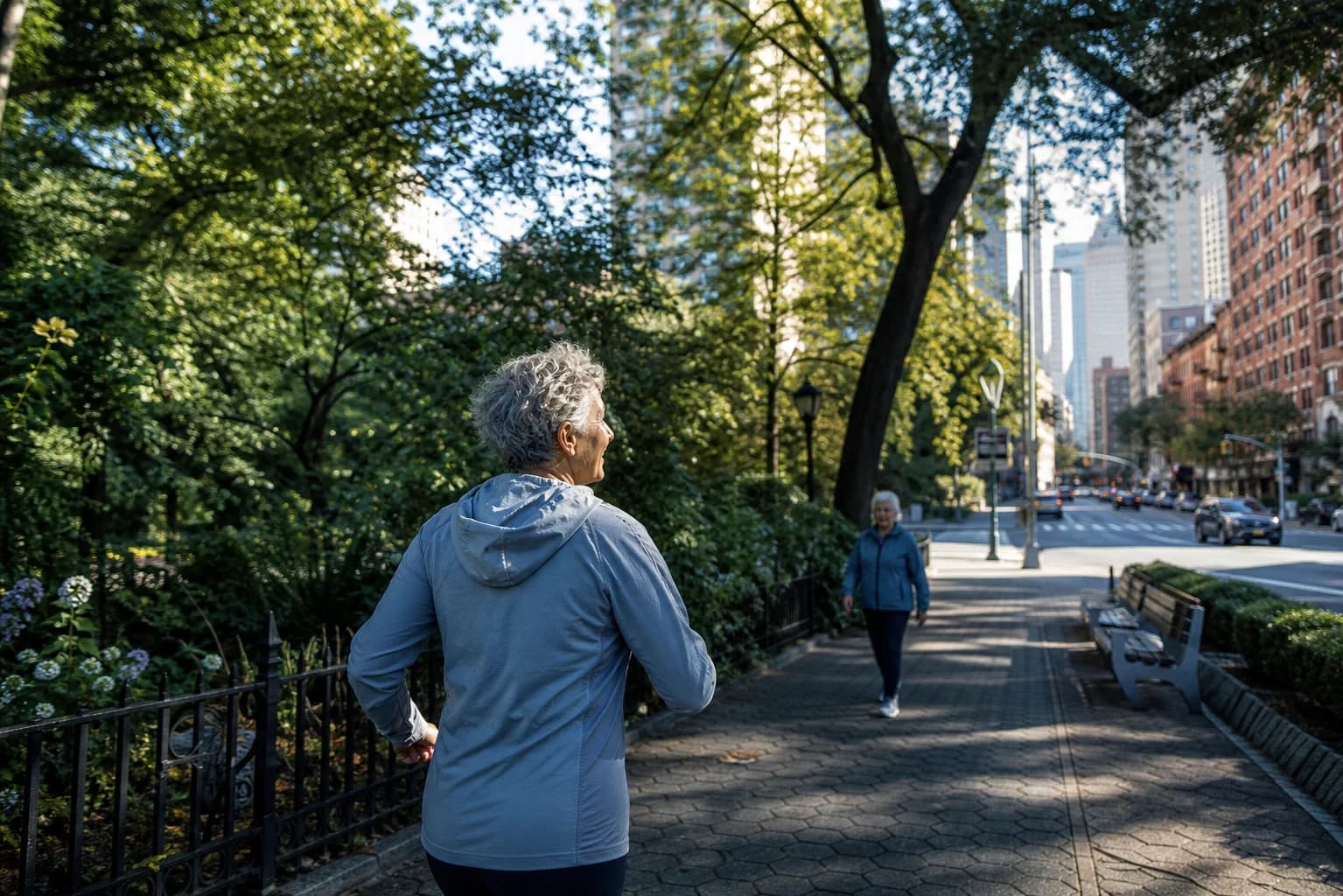
A new Nature Aging study compared trained and untrained muscle to see what decades of exercise leave behind—and how older muscle still responds.

Original image by Anecdotal
Researchers found that sustained physical training was associated with younger-looking molecular profiles, preserved energy metabolism and a stronger exercise response in human skeletal muscle.
Why this matters
The study adds molecular detail to a familiar longevity message: training status changes how ageing muscle behaves. It does not reduce exercise to a single biomarker or supplement target.
What was measured
The study examined molecular ageing, energy metabolism and acute exercise response in human muscle. The trained group showed profiles consistent with delayed molecular ageing and better-preserved metabolic function.
The publication also provides an atlas for studying how fitness changes age-related biology. That dataset may be valuable beyond the headline comparison because it lets researchers inspect pathways rather than relying on one summary score.
How to read the result
A molecular signature is not the same as a guarantee of longer life, and trained populations can differ from untrained populations in many ways. The study is best read as mechanistic human evidence supporting the relationship between sustained training and healthier muscle ageing.
It also provides a useful counterweight to product-led longevity coverage: one of the strongest signals in the field remains repeated physical training over time.
What this is based on
Human muscle research with molecular outcomes; the design should be checked before drawing causal or population-wide conclusions.
Human research · Independent
Sources
Go straight to the source.
Stay in the loop.
The research stories worth opening, in one weekly email.
We never sell or share your email. Unsubscribe in one click.
Keep reading
More like this.

A new human cell atlas is changing how researchers see ageing
“Senescent cells” are often discussed as one target. The first large-scale atlas shows a far messier picture across tissues and stages of life.
Nearly half of dementia risk may be modifiable. WHO has updated the list.
The 2026 guidance adds air pollution to a familiar mix of movement, smoking, alcohol, diet, social connection and long-term health conditions.

The four supplement questions women are asking in 2026
Creatine, menopause formulas, vitamin D and pregnancy supplements are everywhere. The evidence—and the rules—do not travel as a package.