Nearly half of dementia risk may be modifiable. WHO has updated the list.
The 2026 guidance adds air pollution to a familiar mix of movement, smoking, alcohol, diet, social connection and long-term health conditions.
Original image by Anecdotal
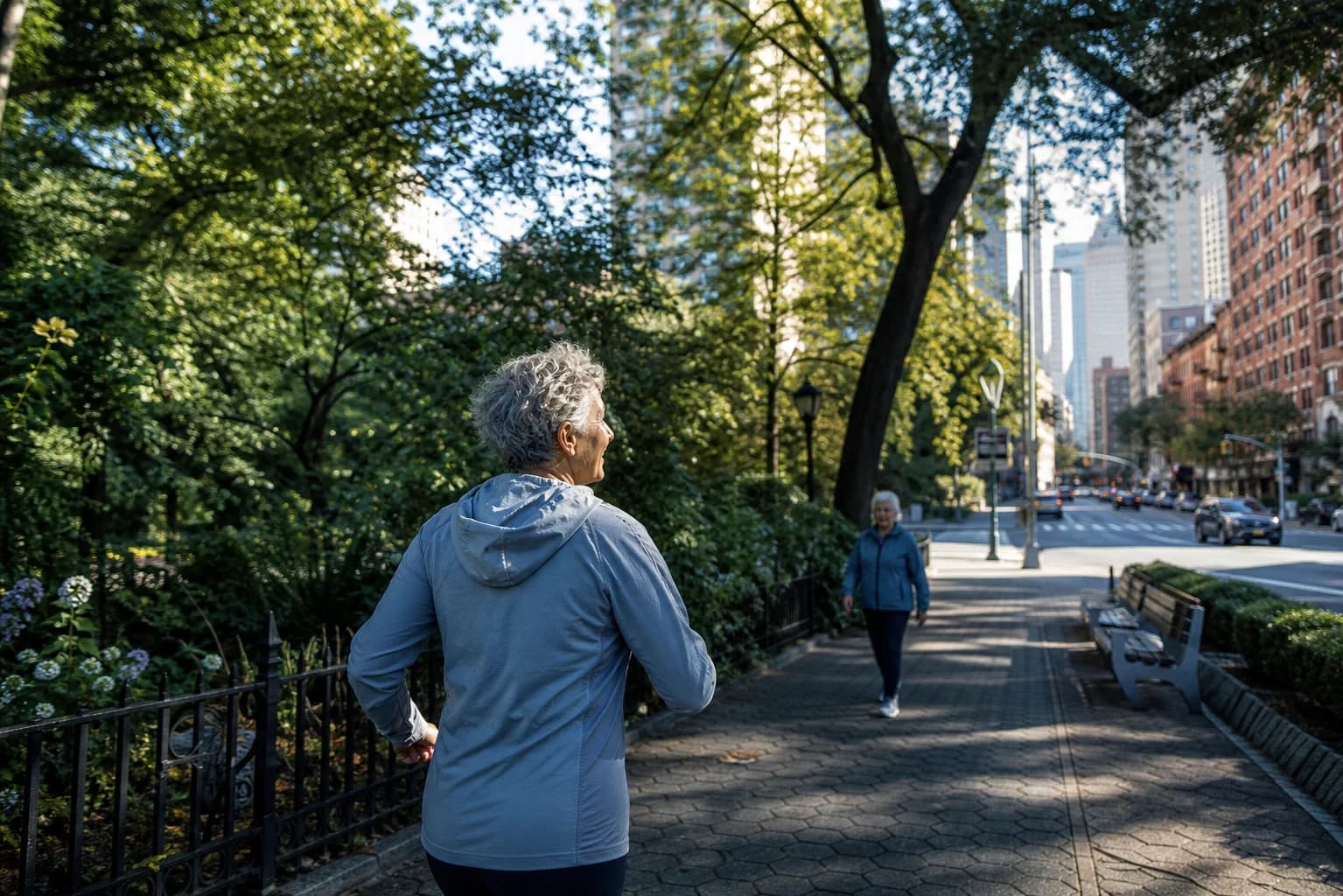
WHO’s updated guidance emphasises physical activity, tobacco and alcohol reduction, diet, social connection and management of conditions such as high blood pressure and diabetes, while adding a recommendation to reduce air-pollution exposure.
Why this matters
Longevity marketing often focuses on expensive tests and products. The updated global guidance puts much of the preventable risk conversation back on long-term behaviours and public-health conditions.
What changed in the guidance
WHO’s revised guidance brings together evidence on behaviours, social conditions, environmental exposure and noncommunicable disease. A new air-pollution recommendation broadens the frame beyond individual consumer choices.
The organisation estimates that more than 57 million people live with dementia worldwide, with close to 10 million new diagnoses each year. The “up to 45%” figure refers to the share of risk associated with modifiable factors; it does not mean every individual can remove 45% of their personal risk.
Why this matters to the wellness market
Consumer longevity products frequently imply that more measurement or supplementation equals prevention. The WHO guidance instead highlights activity, tobacco, alcohol, diet, social isolation, cardiovascular and metabolic health, and the environment.
Those interventions are not all simple or individually controllable. Air quality and access to prevention are policy questions as well as lifestyle questions. That distinction is easy to lose in consumer wellness coverage.
What this is based on
This is population-level risk-reduction guidance, not a promise that an individual case can be prevented.
Official guidance · Independent
Sources
Go straight to the source.
- 01New WHO guidelines: up to 45% of dementia risk could be prevented or delayedgovernment
World Health Organization · 2026-07-15
Stay in the loop.
The longevity stories worth opening, in one weekly email.
We never sell or share your email. Unsubscribe in one click.
Keep reading
More like this.

Lifelong training leaves a molecular mark on muscle
A new Nature Aging study compared trained and untrained muscle to see what decades of exercise leave behind—and how older muscle still responds.

A new human cell atlas is changing how researchers see ageing
“Senescent cells” are often discussed as one target. The first large-scale atlas shows a far messier picture across tissues and stages of life.

The four supplement questions women are asking in 2026
Creatine, menopause formulas, vitamin D and pregnancy supplements are everywhere. The evidence—and the rules—do not travel as a package.