Best longevity retreats in Spain for 2026? Four programmes compared
SHA, RoseBar, Atzaró and ZEM all use the language of longevity. The actual experiences range from medical programmes to bookable spa circuits.
Continuously edited
Every material update in one chronological view. Filter it, search it or simply keep scrolling.

SHA, RoseBar, Atzaró and ZEM all use the language of longevity. The actual experiences range from medical programmes to bookable spa circuits.

Creatine, menopause products, vitamin D and pregnancy formulations are drawing attention—but the evidence and rules are not interchangeable.

UtoLife and Seven Springs use the same category language but sell fundamentally different relationships.

The FDA and CDC closed the investigation after 131 reported cases across 38 states. The products have long shelf lives.

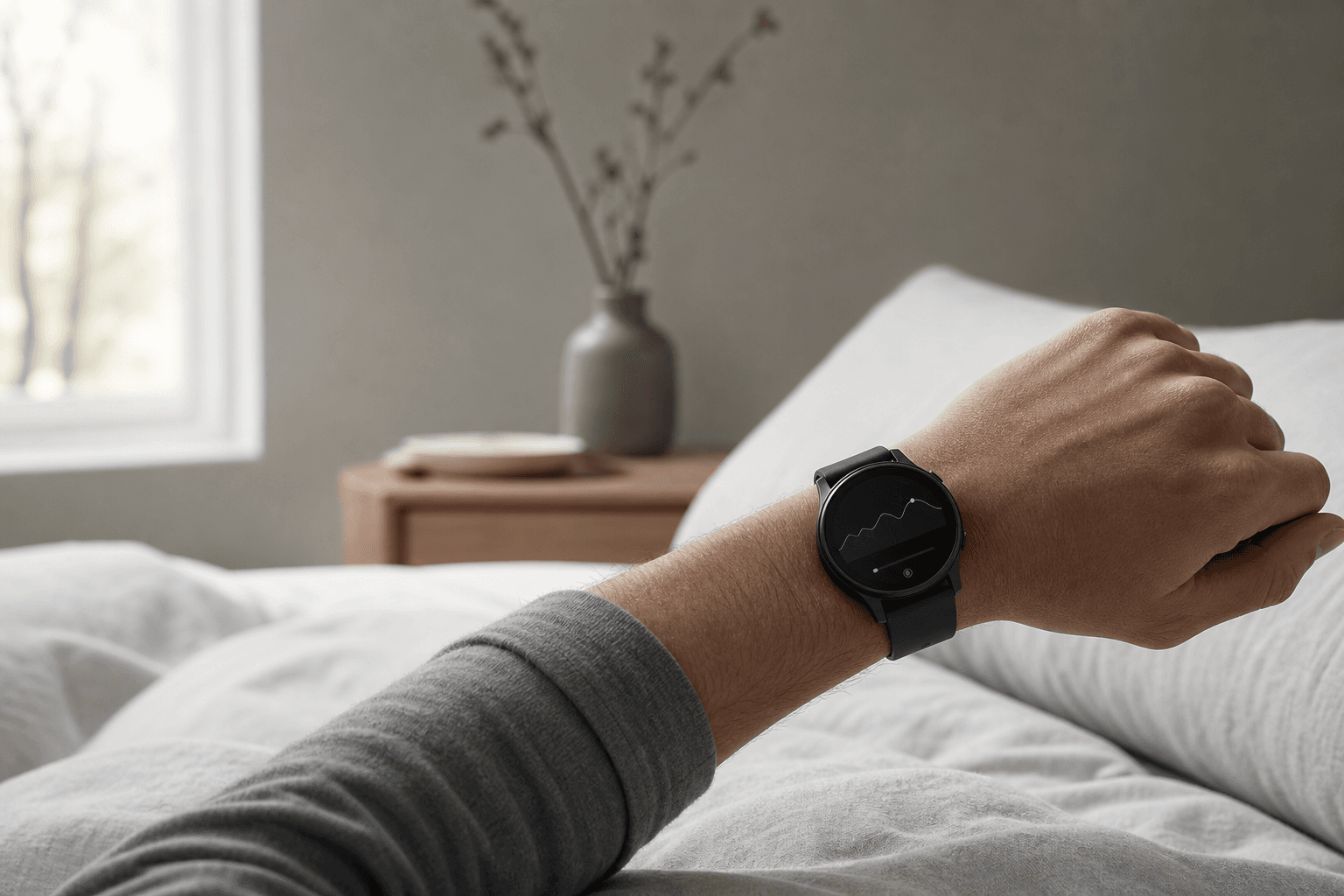
Galaxy Watch9 and Ultra2 add a Vitals baseline, Heart Health Score and updated sleep-apnoea analysis. Availability begins 7 August.

The US beta connects wearable data, Energy Score and conversational guidance in one interface.

The 2026 guidance says as much as 45% of dementia risk may be attributable to modifiable factors across the life course.

The July update covers products marketed for sexual enhancement, weight loss, muscle building and other uses.

A July Nature Aging study mapped energy metabolism and exercise response in trained and untrained muscle.

The first large-scale atlas shows that cells described under one ageing label can have different molecular patterns in different tissues.

The June guidance explains authorised claims, interactions and why supplement labels cannot promise to treat symptoms.

The three-day June residency combined masterclasses, private sessions and a guest programme inside the resort.

The menu ranges from €50 cryotherapy to a €270 longevity day, making the category visible at treatment level.

Health Radar rolls out through July, while lab-result uploads place blood biomarkers beside ring data.

The FDA database lists the DEP100 as substantially equivalent in a May 2026 decision.

The EMA programme gives selected high-risk devices a route to scientific advice before wider expansion in 2027.

Testing found DMAA, DMHA and phenibut across two products; only one was voluntarily recalled.

The February decision removed specific cardiovascular, breast-cancer and probable-dementia statements from the most prominent warning box.